By Chicago Times Magazine –
July 25, 2024
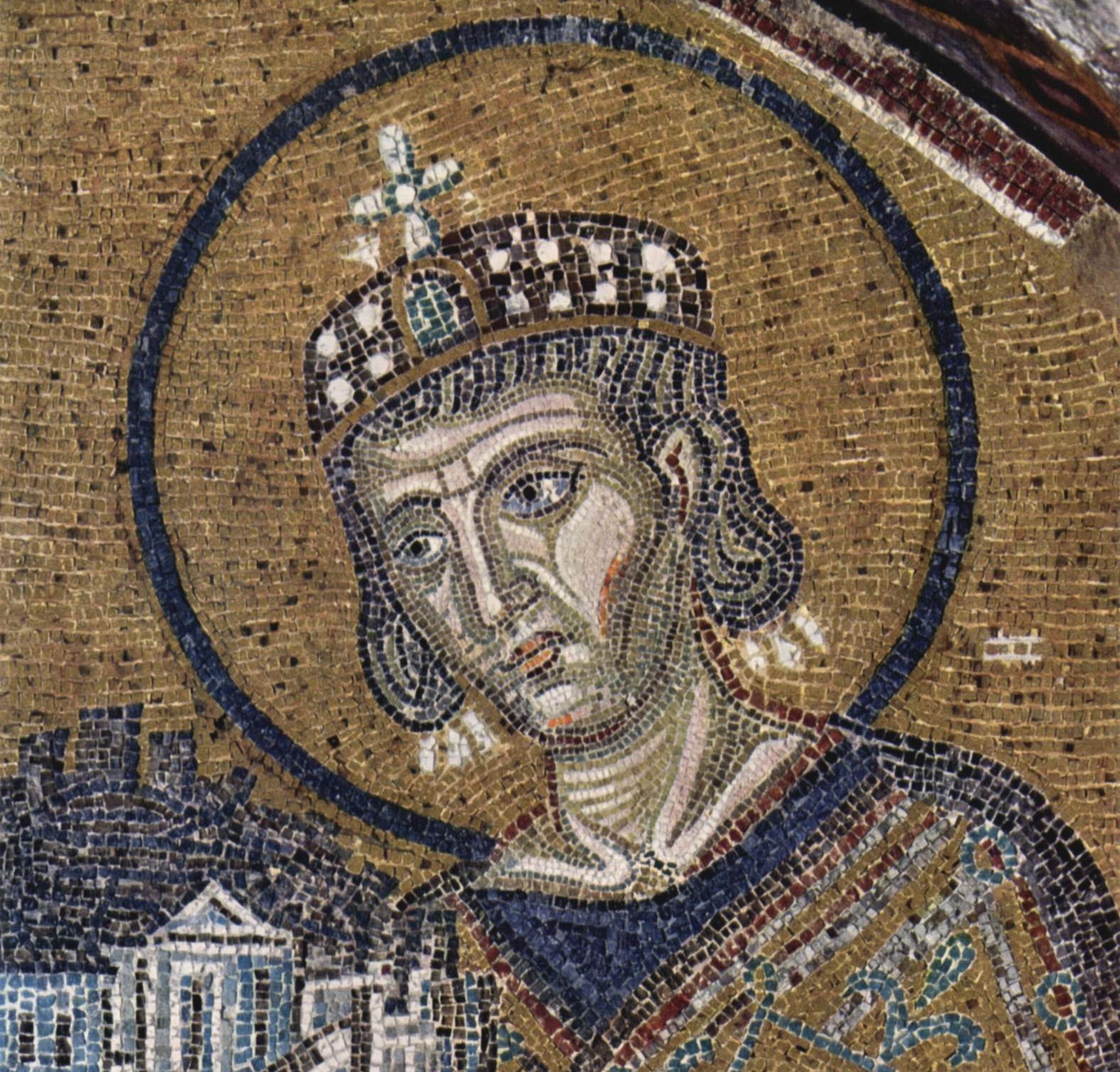
The conversion of Constantine the Great, a pivotal moment for both Christianity and the Roman Empire, remains a blend of historical fact, legend, and theological interpretation. Often hailed as the first Christian emperor, Constantine’s embrace of Christianity was a complex interplay of political acumen, personal belief, and the evolving religious landscape of both the Western and Eastern Roman world.
Born around 272 AD, Constantine ascended to the imperial throne in 306 AD, a period marked by political instability and religious turmoil. The Roman Empire was a complex tapestry of polytheistic beliefs, with a pantheon of gods and goddesses vying for the devotion of its citizens. Christianity, while growing in influence, was still considered a subversive cult, often persecuted by the state. Yet, within this environment, Constantine’s path towards Christianity would unfold.
The traditional narrative of Constantine’s conversion hinges on a dramatic event: the Battle of the Milvian Bridge in 312 AD. Facing a formidable opponent, Maxentius, Constantine is said to have had a vision of a flaming cross superimposed with the Greek words, “In this sign conquer” (In hoc signo vinces). Inspired by this celestial omen, Constantine adopted the Chi-Rho symbol, incorporating the first two letters of Christ’s name in Greek, as a military standard. His subsequent victory over Maxentius was interpreted as divine endorsement of his new-found faith.
While the dramatic tale of the vision at the Milvian Bridge has captured popular imagination, a more nuanced understanding of Constantine’s conversion necessitates a closer examination of the political and religious climate of the time. The Roman Empire was at a crossroads. Decades of internal strife and external pressures had weakened its foundations. The empire was a patchwork of diverse cultures and religions, with polytheism as the official state religion. Yet, Christianity was steadily gaining adherents, its message of hope and salvation resonating with many.
From a political standpoint, Constantine was a realist. He understood the potential of Christianity to serve as a unifying force within the empire. By endorsing Christianity, he could appeal to a growing segment of the population and potentially quell the religious tensions that had plagued the empire for centuries. Moreover, Christianity offered a powerful ideological framework for imperial authority, with the emperor cast as God’s earthly representative.
It is essential to avoid oversimplifying Constantine’s motivations. Personal faith undoubtedly played a role in his decision. There is evidence suggesting that he had a growing interest in Christianity before the Battle of the Milvian Bridge. His mother, Helena, was a devout Christian, and it is likely that she influenced her son’s religious outlook. Additionally, Constantine’s personal experiences, including the challenges and triumphs of his life, may have led him to seek spiritual answers.
In the years following the Battle of the Milvian Bridge, Constantine embarked on a series of policies aimed at promoting Christianity. He granted Christians legal protection, increased their participation in public life, and endowed the Church with significant privileges. The Edict of Milan, issued jointly with Licinius in 313 AD, declared religious tolerance throughout the empire, marking a turning point in the history of Christianity.
Ultimately, Constantine’s endorsement of Christianity helped to stabilize the empire. By unifying the diverse religious factions under the banner of Christianity, he fostered a sense of shared identity and purpose. The empire, once riven by religious strife, began to coalesce around a common faith. As mentioned above, Constantine’s patronage of the Church enhanced the emperor’s authority, as he positioned himself as the supreme defender of the Christian faith.
However, the alliance between Church and State also introduced new challenges. The emperor’s involvement in ecclesiastical affairs led to a blurring of the lines between spiritual and temporal power. While Christianity flourished under imperial patronage, the Church also faced the risk of becoming subservient to the state. The never ending struggle between Church and state would later lead to impassable schisms that would eventually set Europe ablaze in a series of religious wars starting in 1552.