By Al Brown, Chicago Times Magazine –
August 24, 2024
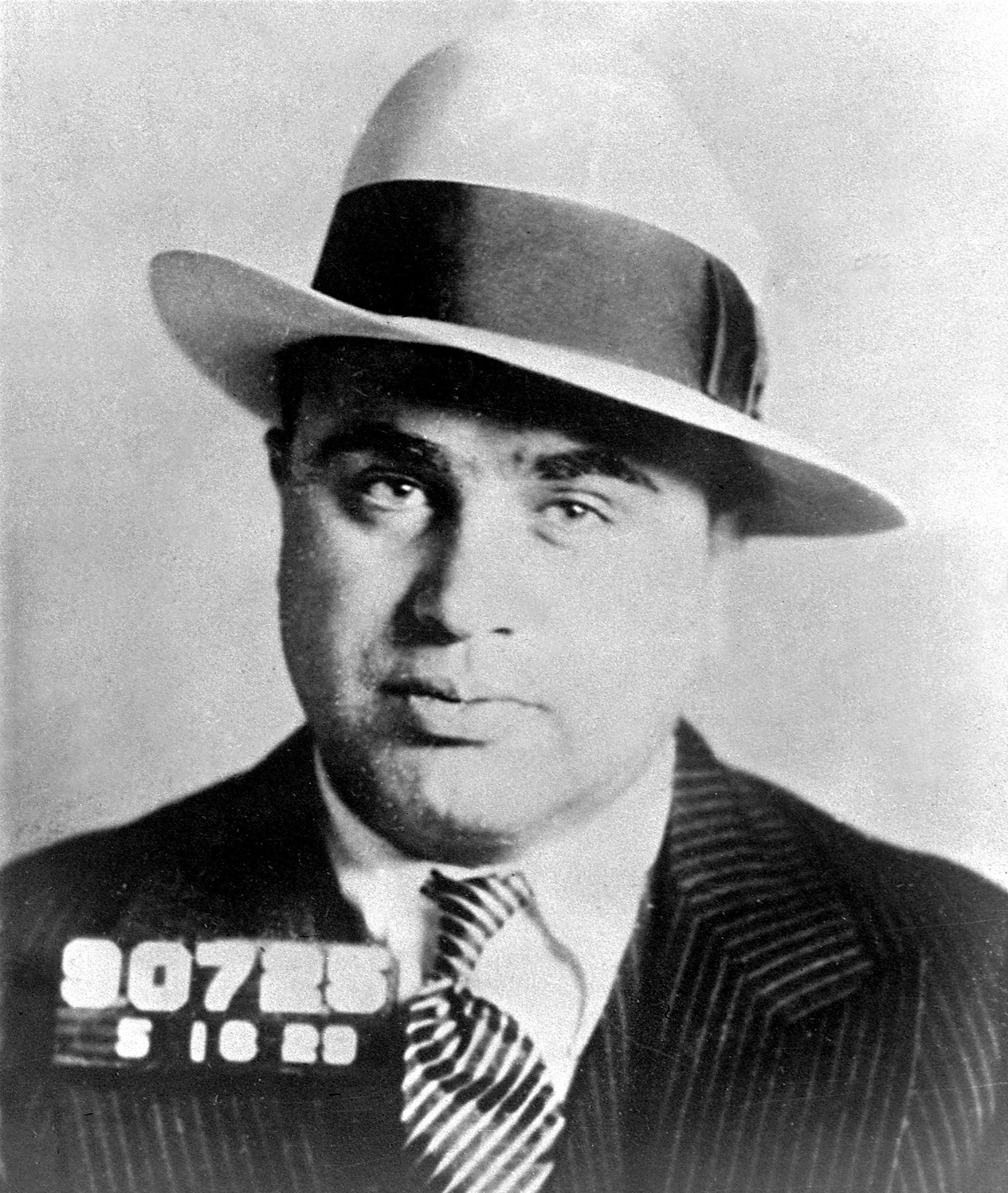
In a city steeped in a history of corruption and organized crime the question of naming a major thoroughfare after Al Capone should be an easy “yes” and not provocative one. Why? Because Chicago and Illinois have embraced the burgeoning legal gambling and cannabis industries, or what many like to call the mob economy. Capone would be considered a pillar of the business community today for providing such services.
Capone, undeniably, was a criminal. His reign over the city during Prohibition was marked by violence, corruption, and the illegal bootlegging trade. Yet, his actions also played a significant role in shaping Chicago’s history. The speakeasies he controlled, while illegal, contributed to the city’s vibrant nightlife and cultural scene. His influence extended beyond the underworld, impacting politics, business, and even the city’s infrastructure. Let us not forget the prostitution rings he controlled. That will most likely be the next thing to go legal in Illinois.
The legalized gambling and cannabis industries, while controversial to some, have the potential to generate significant revenue and create jobs (most likely for those connected to a certain party). As the city looks to capitalize on these opportunities, it’s worth considering the symbolic power of honoring Capone and the even other members of the Outfit (which doesn’t exist).
Naming a street after Capone is not about glorifying his crimes (come on, of course it is). It is about acknowledging the complex and often contradictory nature of Chicago. It is a recognition that even the most notorious figures can leave an indelible scar on a city. By honoring Capone, we can confront our past, learn from it, and move forward with a renewed sense of purpose embracing gambling and weed instead of sound investment and wheat.
Of course, there will be those who object to such a proposal. Some may argue that it is disrespectful to the victims of Capone’s crimes. Others may contend that it sends the wrong message to young people (though they will be high and too busy gambling to care). But it is important to remember that Chicago’s history is not a monolithic entity. It is a tapestry woven from threads of both the good and the bad. That’s right, a tapestry.
By naming a street, or even a park, after Al Capone, Chicago can send a powerful message to the world. It can say that we are a city that is unafraid to confront our past, that we are willing to embrace the complexities of our history, and that we are committed to building a brighter future with gambling and reefer. Have fun driving down Capone Drive.
Views and comments expressed by the author do not necessarily reflect the official position of The Chicago Times Magazine.