By Chicago Times Magazine –
March 4, 2024
The grocery aisle in Illinois could soon become a battleground, not for shoppers, but for a policy change with significant economic implications. Governor JB Pritzker’s proposal to eliminate the 1% sales tax on groceries has garnered support from consumer advocates but raised concerns from local government officials.
Supporters see the elimination as a targeted tax relief measure for Illinois residents, particularly low-income families who allocate a larger share of their budget to groceries. The 1% tax is considered “regressive,” meaning it disproportionately impacts those with lower incomes.
However, the potential financial impact on municipalities is a major hurdle. Revenue generated by the grocery tax directly supports local governments, with some local leaders estimating a loss of millions annually. This shortfall could force cuts to essential services or necessitate raising other taxes.
The Illinois Municipal League, representing local governments, is a key voice of opposition. They advocate for the state to backfill the lost revenue if the tax is eliminated. A similar proposal was introduced two years ago but remains unpassed.
The Governor’s office argues that local governments already receive over $1 billion annually from other sources. They view the grocery tax cut as a direct way to boost household purchasing power.
This policy debate underscores the inherent tension between tax fairness and the needs of local communities. Illinois residents will be keenly observing whether lawmakers can strike a balance – making groceries more affordable without jeopardizing essential services provided by municipalities.
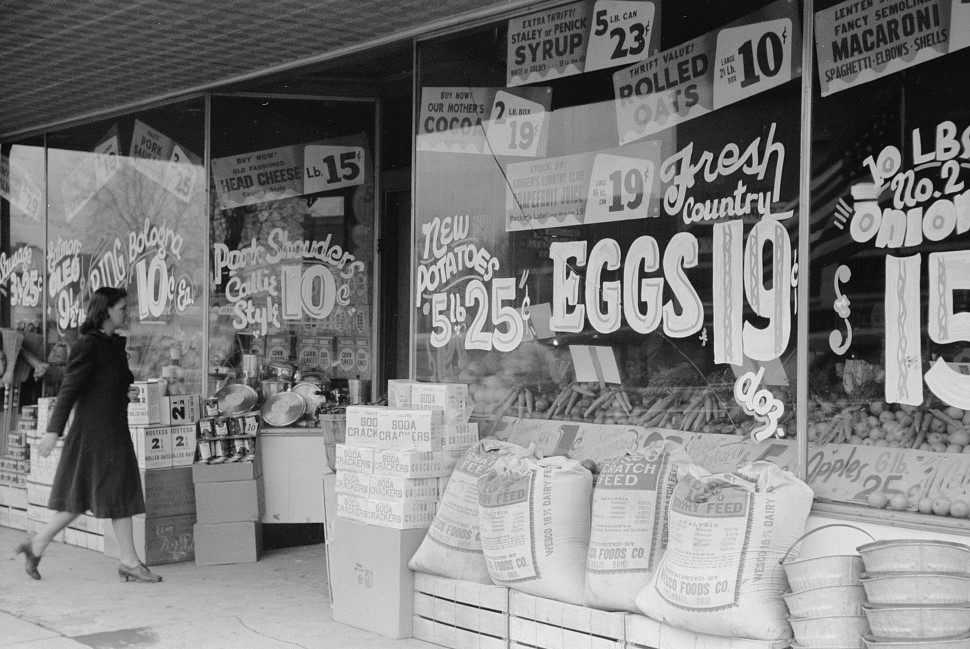
Feature image: Grocery Store in Salem, Illinois | Library of Congress, Prints & Photographs Division, Farm Security Administration/Office of War Information Black-and-White Negatives.