By Chicago Times Magazine –
January 15, 2026
Goldman Sachs reported a robust finish to 2025, delivering higher annual earnings, stronger performance across its core businesses, and a dividend increase for shareholders, even as its consumer‑focused Platform Solutions division weighed on quarterly results.
The firm posted full‑year net revenues of $58.28 billion, up 9 percent from 2024, and net earnings of $17.18 billion. Diluted earnings per share rose to $51.32, a sharp increase from $40.54 the prior year. Fourth‑quarter earnings per share reached $14.01, exceeding both the year‑ago period and the third quarter. Return on equity for the year was 15 percent, with an annualized 16 percent in the final quarter. Book value per share climbed to $357.60, a 6.2 percent gain for 2025.
Much of the firm’s momentum came from its Global Banking & Markets division, which generated $41.45 billion in revenue, an 18 percent increase. Advisory revenues surged 34 percent on a resurgence in mergers and acquisitions. Equity and debt underwriting also strengthened, supported by a more active IPO market and higher investment‑grade issuance. Trading results were similarly strong, with fixed‑income revenue rising 9 percent and equities revenue up 23 percent, driven by prime brokerage and derivatives activity.
Asset & Wealth Management delivered $16.68 billion in revenue, a modest 2 percent increase. Higher management fees and stronger private banking results offset a steep decline in investment gains, particularly in private equity holdings. Assets under supervision ended the year at $3.61 trillion, up from $3.14 trillion a year earlier.
The Platform Solutions unit remained a drag on results. Revenues fell to $151 million from $2.13 billion in 2024, largely due to a $2.26 billion markdown tied to Goldman’s exit from the Apple Card partnership and the transfer of the credit card portfolio to held‑for‑sale status. The fourth quarter reflected negative revenue of $1.68 billion, though the impact was partially offset by a related $2.48 billion reserve release.
Operating expenses rose 11 percent to $37.54 billion, driven by higher compensation tied to improved performance. The firm’s efficiency ratio increased to 64.4 percent from 63.1 percent in 2024.
Goldman’s board approved a dividend increase to $4.50 per share, effective in the first quarter of 2026. The firm returned $16.78 billion to shareholders during the year, including $12.36 billion in share repurchases. Capital ratios remained solid, with a 14.4 percent Common Equity Tier 1 ratio under standardized rules and 15.0 percent under advanced rules.
Executives noted that investment banking pipelines strengthened meaningfully through the end of the year, suggesting continued momentum into 2026.
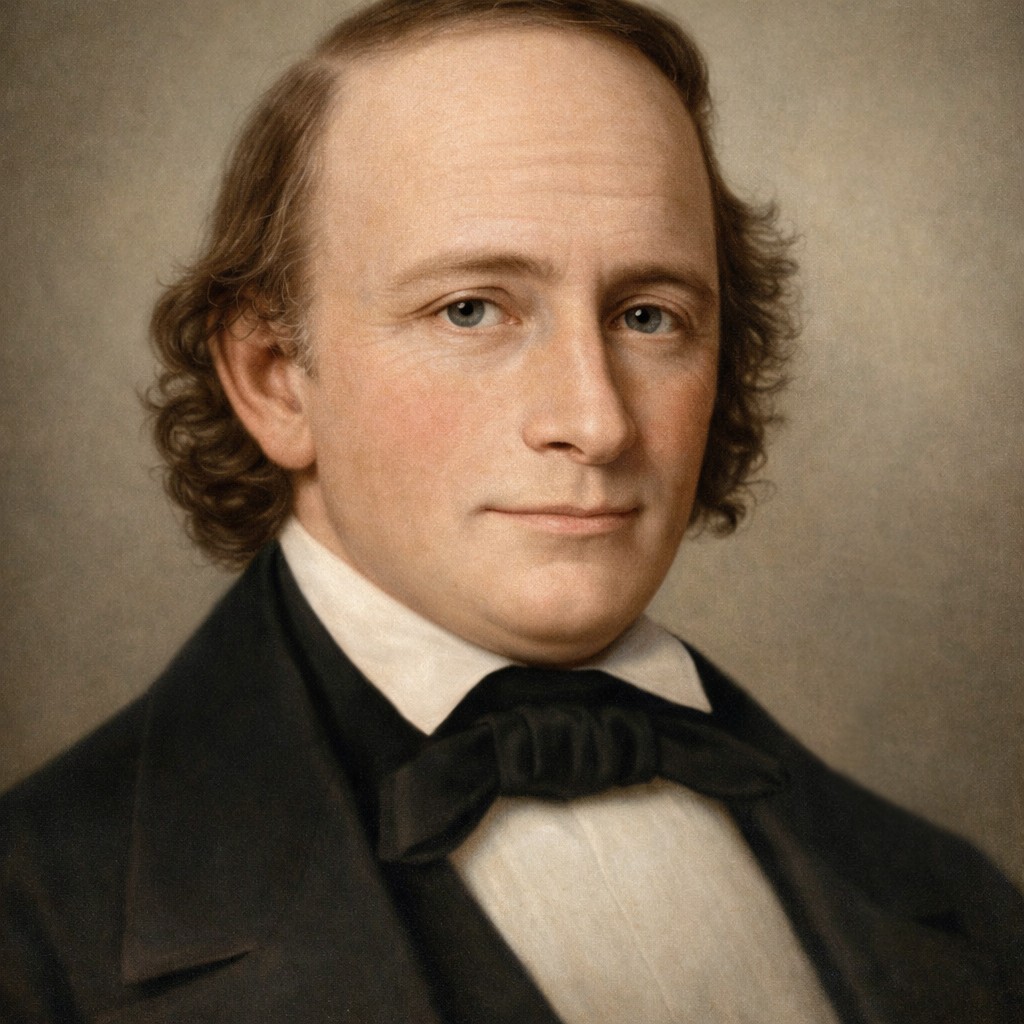
Founded in 1869 by Marcus Goldman, the firm began as a small commercial paper business in lower Manhattan. It expanded rapidly under the leadership of Goldman’s son‑in‑law, Samuel Sachs, who helped steer the firm into underwriting and securities offerings in the early twentieth century. Goldman Sachs played a central role in the development of modern investment banking, weathered the Great Depression, and grew into a global financial powerhouse in the postwar era. The firm went public in 1999, accelerating its expansion into trading, asset management, and global advisory work. Today, it operates in all major financial centers and remains one of the most influential institutions on Wall Street.