By Chicago Times Magazine –
July 26, 2024
Born on this day in 1928, Stanley Kubrick would become one of the finest American film directors, producer, screenwriter, and photographer in motion picture history.
Kubrick films, which are primarily adaptations of novels or short stories, encompass a wide range of genres and are notable for their realism, dark humor, unusual cinematography, complex set designs, and evocative use of music.
Kubrick grew up in New York City’s Bronx and attended William Howard Taft High School from 1941 until 1945. He had ordinary grades, but a deep interest in literature, photography, and film from a young age, and after graduating from high school, he taught himself all areas of film production and directing. Kubrick began shooting short films on a low budget after working as a photographer for Look magazine in the late 1940s and early 1950s, and created his first major Hollywood feature, The Killing, for United Artists in 1956.
This was followed by two collaborations with Kirk Douglas: Paths of Glory (1957) and the historical epic Spartacus (1958). Creative conflicts with Douglas and the film studios, a hatred of the Hollywood industry, and growing anxiety about crime in America drove Kubrick to relocate to the United Kingdom in 1961, where he spent the most of his remaining life and career.
His home in Hertfordshire, Childwickbury Manor, which he shared with his wife Christiane, became his workplace, where he handled his writing, research, editing, and production management. This gave him nearly unlimited artistic control over his films while also providing him with the uncommon benefit of financial support from big Hollywood studios.
Kubrick, a demanding perfectionist, took control of most parts of the film making process, from direction and scripting to editing, and took meticulous care in researching his films and creating sequences, working closely with his actors and other collaborators. He frequently requested hundreds of retakes of the same shot in a film, resulting in numerous disagreements with his casts.
Except for The Shining, all of Stanley Kubrick’s films from Paths of Glory through the end of his career were nominated for Academy Awards or Golden Globe Awards in various categories.
Numerous technical honors were bestowed upon 2001: A Space Odyssey, including a BAFTA Award for cinematographer Geoffrey Unsworth and an Academy Award for Best Visual Effects, which Kubrick (as director of special effects for the film) received. Among 13 nominations, this was Kubrick’s sole personal Academy Award win.
Kubrick died in his sleep on March 7, 1999, six days after screening a final version of Eyes Wide Shut for his family and the stars. He was 70 years old.
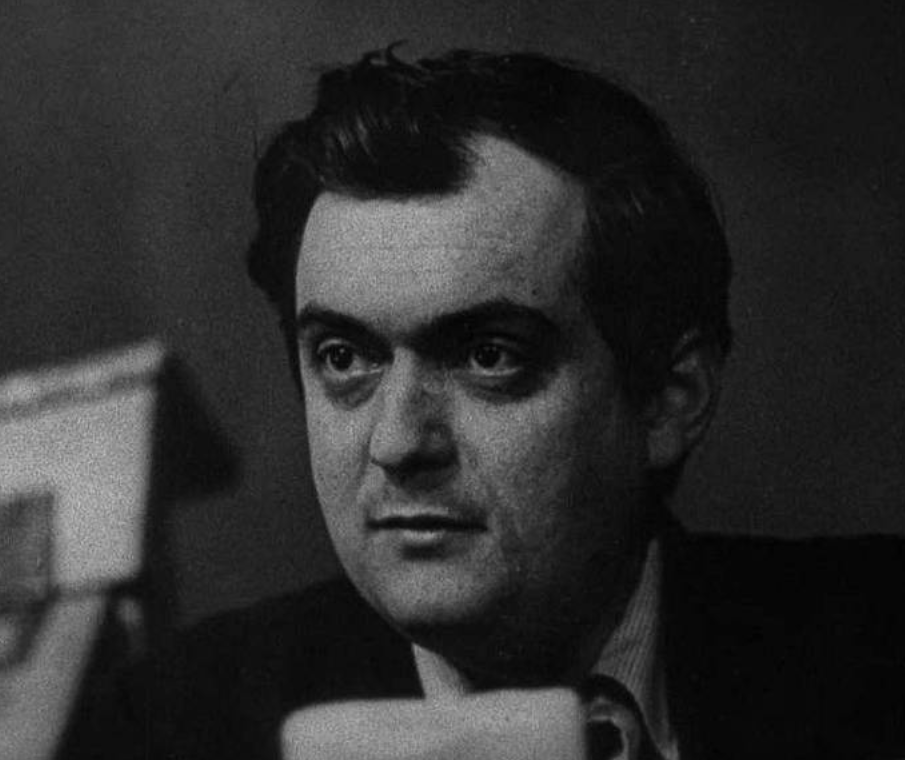
Feature image: Stanley Kubrick | Dr. Strangelove (1964) – Trailer