By Chicago Times Magazine –
January 14, 2026
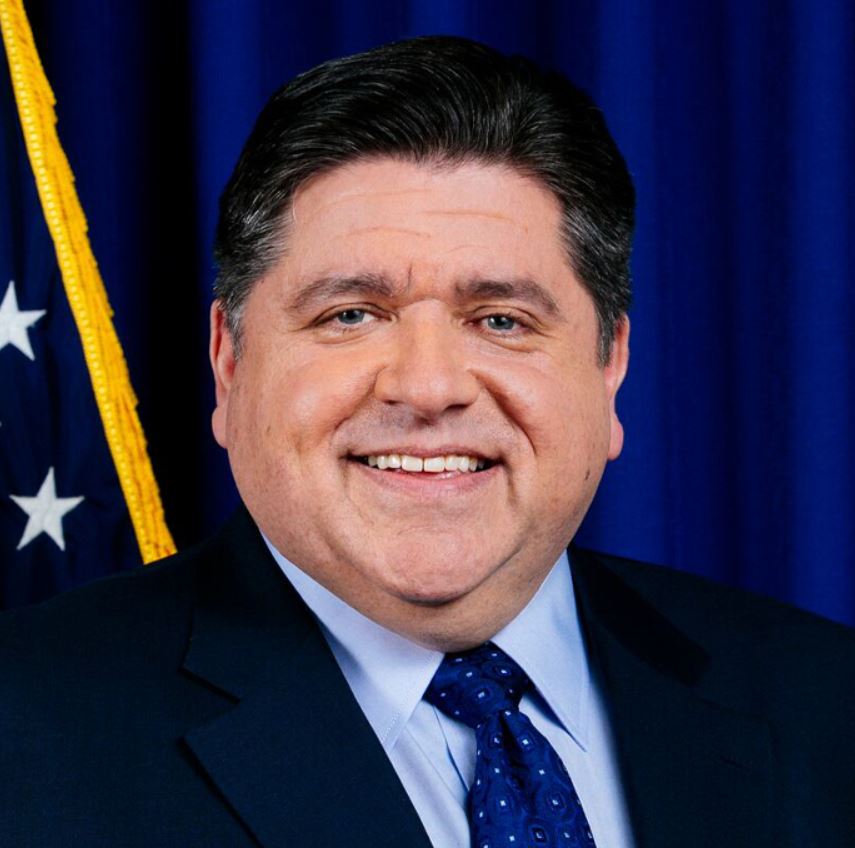
Governor JB Pritzker and the Illinois Department of Natural Resources (IDNR) announced a significant investment in the state’s outdoor infrastructure today, awarding $36 million in grant funding to 67 local park projects across Illinois. The funds, distributed through the Open Space Land Acquisition and Development (OSLAD) program, are intended to help municipalities acquire land and develop new recreational opportunities for residents.
This year’s awards continue a four-year trend of prioritizing economically distressed areas. Of the total funding, $11.4 million has been specifically allocated to 20 underserved communities to ensure equitable access to high-quality public spaces. “As Governor, I’m committed to building stronger, healthier communities in Illinois,” Pritzker said during the announcement. “From playgrounds and walking trails to pickleball courts and native landscaping, we’re investing millions to revitalize outdoor gathering spaces and offer new recreational opportunities to Illinois families across the state.”
The OSLAD program, established by the General Assembly in 1986, operates as a cost-sharing partnership between state and local governments. Since its inception, the program has become a cornerstone of Illinois’ recreational planning, awarding a total of $675 million to date. IDNR Director Natalie Phelps Finnie noted that the current round of grants covers a diverse geographical range, from small rural villages to Chicago and its surrounding suburbs. “There is an impressive amount of work, creativity, and ambition that goes into planning these facilities,” Finnie said, adding that the department is “thrilled to play a part in helping communities thrive.”
Among the notable recipients is the Village of Cambria in Williamson County. With a population of 1,800, the village will use a $196,849 grant to upgrade James Mohan Memorial Park, its only public green space. The project includes repurposing an underutilized tennis court into three pickleball courts and restoring a heavily used basketball court. Village Trustee Marshall Brown emphasized that the funding is essential for the village, which is classified as economically distressed, to provide safe and accessible facilities for its residents.
In Sangamon County, the Village of Grandview will receive $600,000 to construct a comprehensive outdoor sports complex. The planned site will feature soccer fields, bocce ball and pickleball courts, and a perimeter walking path. Village President Maria “Mia” Ray described the grant as a turning point for the community of 1,400, stating that for small towns, such funding is “the difference between having a vision and being able to bring that vision to life.”
Further north in Montgomery County, the City of Witt was awarded $600,000 for extensive improvements to its City Park. Mayor Tim Taylor noted that the upgrades—including a new stage, accessible playground equipment, and bird houses—will support year-round community activities and family-oriented events sponsored by local organizations like the Witt Lions Club.
The City of Mattoon in Coles County also secured $600,000 to develop a nearly one-acre, youth-focused facility at Momentum Park. The project is designed with a heavy emphasis on cycling, featuring a pump track and skills trails, while connecting directly to the existing Lincoln Prairie Grass Trail. Mattoon Mayor Rick Hall called the grant a “transforming event” that meets a high local demand for healthy outdoor recreation.
Additionally, the City of Du Quoin in Perry County will utilize a $125,622 grant to modernize Thelma Pettiford Park. Upgrades will include new playground equipment and a walking track, with a shift toward sustainable materials such as rubber mulch. Mayor Josh Downs highlighted the importance of the park to local youth participating in spring and summer athletic competitions.
Peter Murphy, president and CEO of the Illinois Association of Park Districts, praised the continued support for OSLAD, noting that the program helps park agencies stretch limited resources to drive local economic opportunity and preserve open space. “At a time when demand for parks has never been higher, OSLAD funding is critical to ensuring a strong, sustainable future for these vital community assets,” Murphy said.