By Chicago Times Magazine –
December 9, 2025
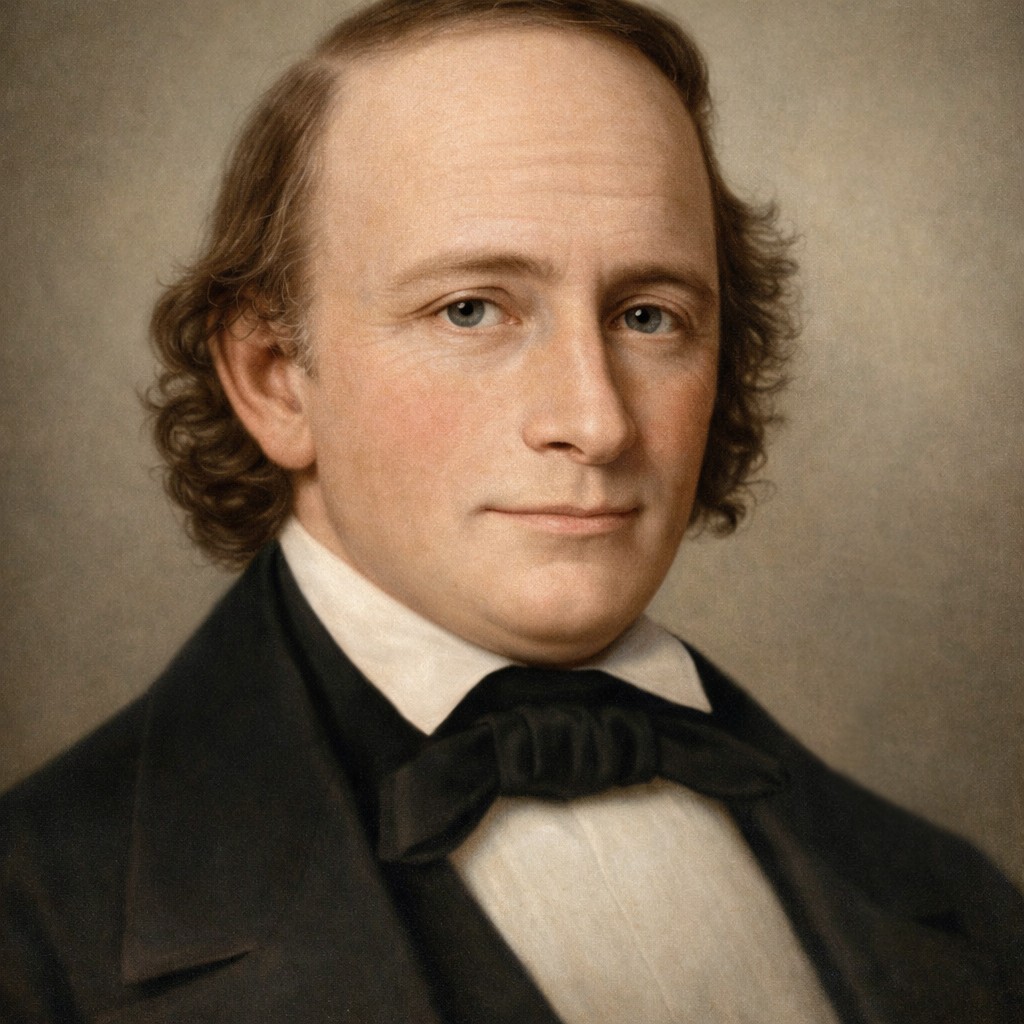
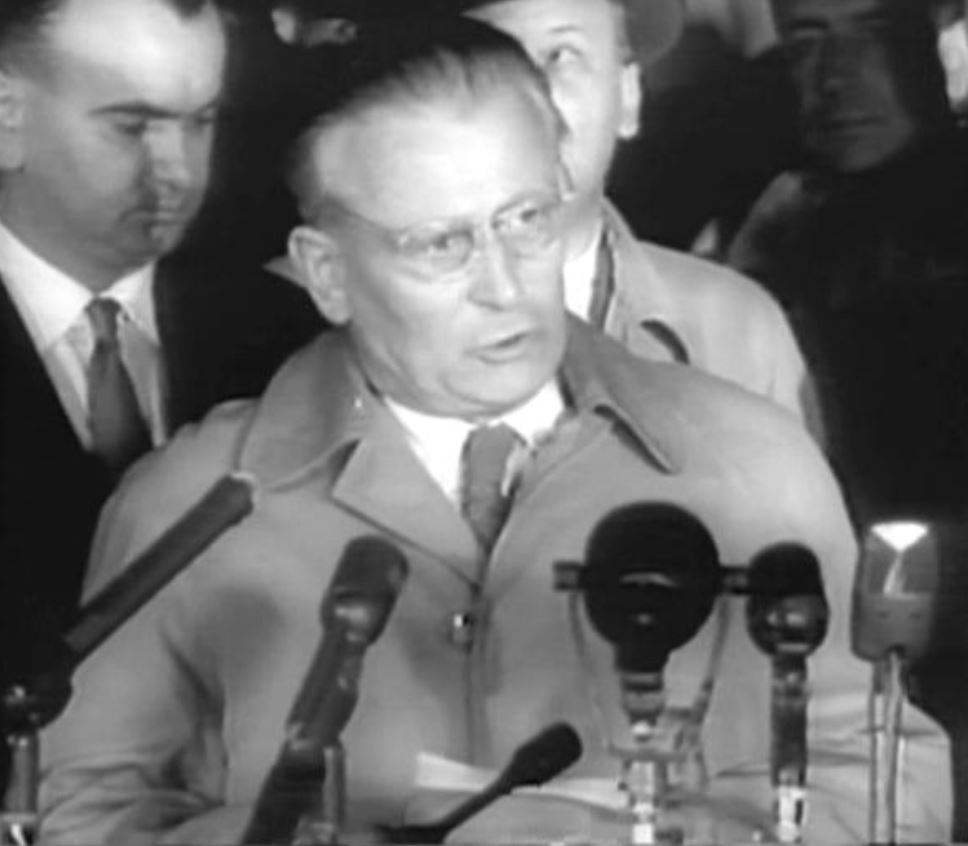
Antonín Novotný, a name synonymous with the darkest period of Czechoslovakian history, cast a long shadow over the nation for nearly two decades. As the First Secretary of the Communist Party of Czechoslovakia from 1953 to 1968, Novotný’s reign was marked by ruthless suppression of dissent, economic stagnation, and unwavering loyalty to the Soviet Union.
Novotný’s ascent to power coincided with the height of the Cold War, and he quickly established himself as a staunch defender of Soviet orthodoxy. His regime implemented a series of repressive measures, including the purging of political opponents, the censorship of the press, and the surveillance of citizens. The secret police, known as the StB, became a powerful tool of repression, instilling fear and silencing any voices of dissent.
Under Novotný’s leadership, Czechoslovakia experienced a decline in living standards and economic stagnation. The collectivization of agriculture, a hallmark of Soviet-style economic planning, led to widespread food shortages and discontent among the rural population. Industrial production also suffered, as the regime prioritized heavy industry over consumer goods.
Novotný’s rigid adherence to Soviet ideology and his refusal to acknowledge the growing discontent within the country ultimately led to his downfall. In 1968, a wave of reforms known as the Prague Spring swept across Czechoslovakia, challenging the authoritarian status quo. Novotný, unable to adapt to the changing political landscape, was ousted from power by a more liberal faction within the Communist Party.
While Novotný’s legacy is one of repression and failure, his reign serves as a stark reminder of the dangers of unchecked authoritarianism. His name remains etched in the annals of history as a symbol of the dark side of communism and a cautionary tale for future generations.