By Chicago Times Magazine –
June 14, 2024
The summer of 1381 witnessed a tumultuous chapter in English history. The Peasants’ Revolt, a simmering cauldron of discontent fueled by economic hardship and resentment towards the nobility, had erupted into full-blown rebellion. Led by the enigmatic Wat Tyler, a throng of peasants and laborers descended upon London, their grievances manifesting as a tangible force in the stifling heat.
King Richard II, a mere fourteen years old and burdened with the weight of a crown far too heavy for his youthful shoulders, found himself besieged. The rebels, bypassing the royal army stationed at a distance, poured into the capital city. Their fury, a physical manifestation of years of oppression, spilled over into acts of violence. The grand Savoy Palace, a potent symbol of royal extravagance, became a bonfire to the injustices endured by the commoners. Panic gripped the court. The Tower of London, a formidable fortress considered impregnable, offered the only perceived sanctuary.
However, unbeknownst to the king and his advisors, fate had taken an unexpected turn. The resentment against the unpopular poll tax, a levy viewed as unfairly burdening the poor, breached the Tower’s very defenses. Alderman Walter Sybyle, motivated perhaps by sympathy for the rebels’ cause or sheer terror in the face of their wrath, lowered the drawbridge. The rebels swarmed into the fortress, encountering minimal resistance. The scene within the Tower must have been one of utter pandemonium – terrified officials scrambling for cover, a tide of rebels roaming the halls fueled by righteous anger.
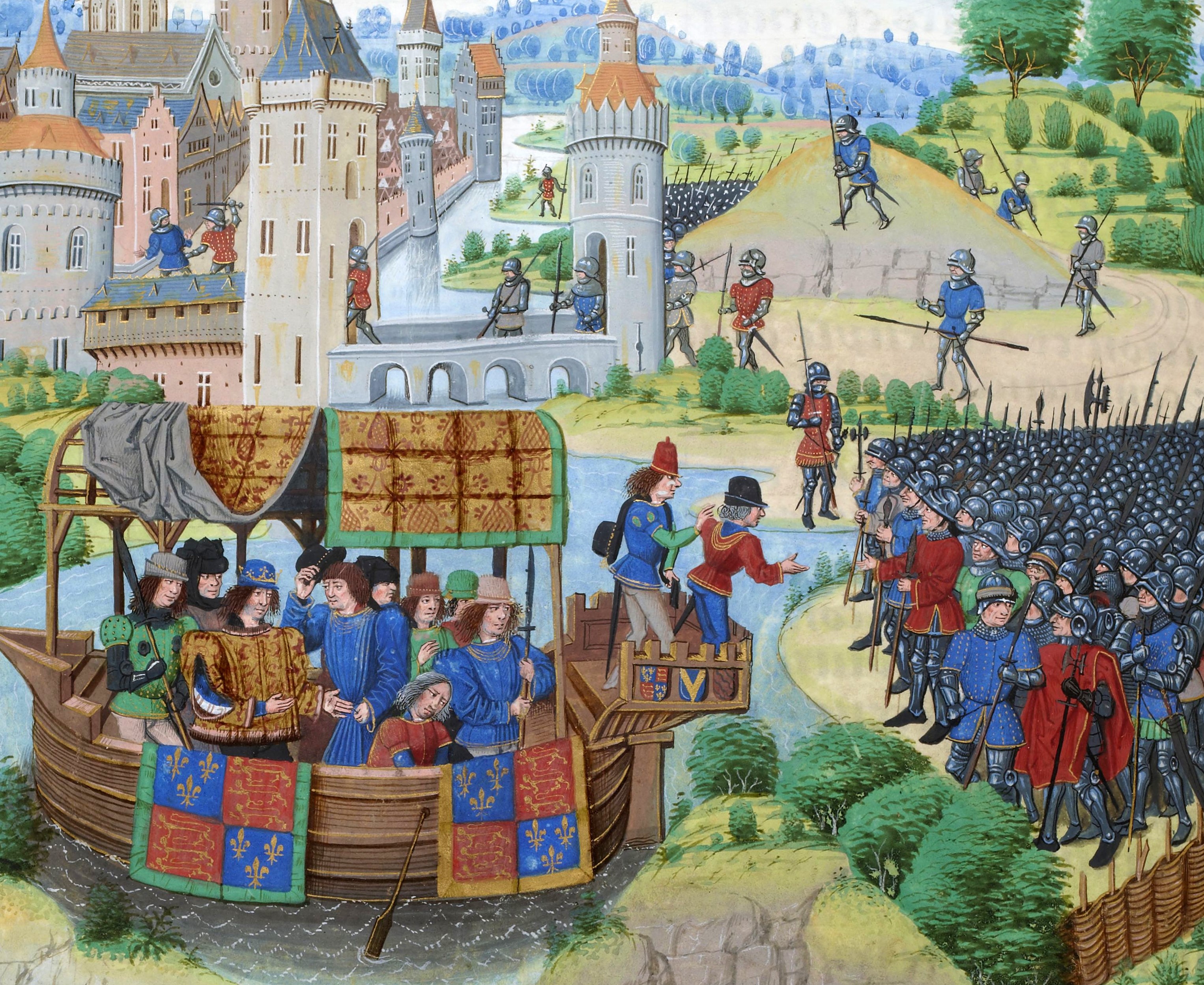
The fall of the Tower, a profound humiliation for the crown, sent shockwaves rippling through the city. Richard, acutely aware of the precariousness of his position, understood the need for immediate action. With whispers of negotiation swirling in the air, a momentous decision was made. The king, accompanied by a select group of advisors, would venture out to meet the rebel leaders at Mile End, a field just beyond the city walls. This encounter, fraught with tension and the very real possibility of further bloodshed, would be a pivotal moment in the Peasants’ Revolt.
The journey to Mile End on June 14th, 1381, was a perilous undertaking for the young King Richard II. Navigating a throng of hostile peasants, the royal party faced a sea of angry faces and a cacophony of defiant chants. This atmosphere of simmering rage underscored the gravity of the situation – the Peasants’ Revolt had reached the very gates of London.
Upon reaching the designated meeting point, Richard dismounted, a solitary figure confronting a multitude led by the formidable Wat Tyler. The air crackled with tension, a single spark potentially igniting further violence. Richard, with advisors whispering counsel, addressed the crowd in a calculated move. Acknowledging the grievances of the peasants, particularly the onerous poll tax and the harsh realities of serfdom, he offered a series of concessions. The unpopular poll tax would be abolished, and promises were made to address serfdom through potential reforms.
These concessions, documented in contemporaneous chronicles, achieved a temporary appeasement. A murmur of approval rippled through the crowd, suggesting a potential for a negotiated settlement. However, tensions remained high, particularly with the more radical demands – attributed by some historians to Tyler – that sought a fundamental restructuring of the social order.
The exact details of the subsequent events at Mile End remain shrouded in some ambiguity. While some accounts depict a heated exchange between Tyler and the king’s advisors culminating in violence, others suggest a more calculated act of betrayal. Regardless of the precise sequence, the scene devolved into chaos. A struggle ensued, with Tyler sustaining a fatal wound.
The death of Tyler proved to be a pivotal moment. The leaderless and bewildered rebels were left vulnerable. Seizing this opportunity, Richard, exhibiting surprising composure, rode forth and addressed the stunned crowd. Appealing to their sense of loyalty and the desire for peace, he reiterated his commitment to the previously offered concessions. This gamble, documented in primary sources, proved successful. Confused and demoralized, many rebels began to disperse, returning to their homes.
The encounter at Mile End, however, marked a turning point, exposing the deep socioeconomic chasms within English society. The Peasants’ Revolt, though ultimately quelled, left an indelible mark. While Richard’s display of courage bought him some temporary respite, the underlying issues of inequality and resentment remained, a simmering cauldron with the potential for future unrest.